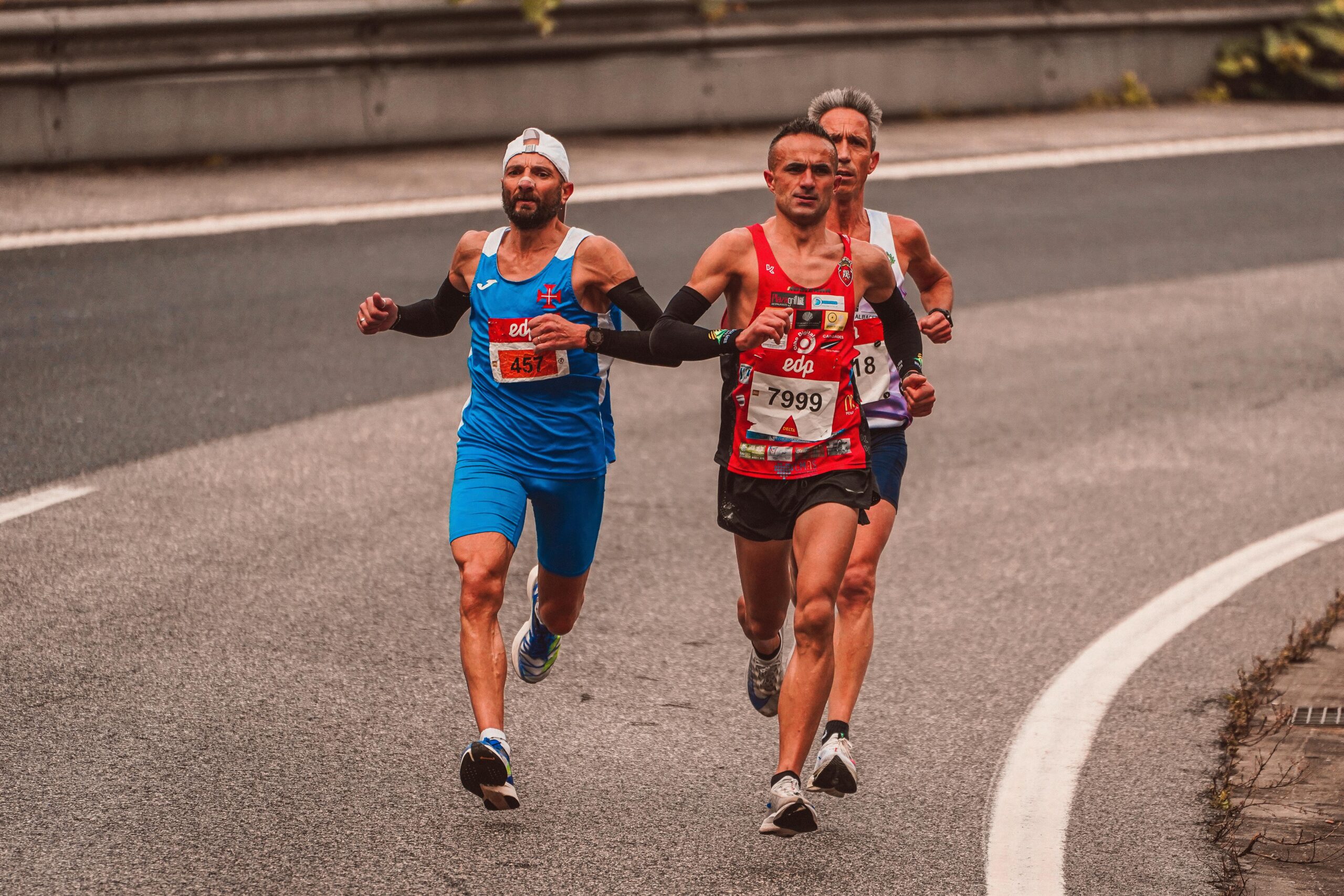
The Chicago Marathon is more than just a 26.2-mile race through the city’s iconic neighborhoods. For the thousands of runners who cross that finish line in Grant Park, it is the culmination of months of grueling discipline, early morning long runs, and a relentless “go” mentality. But once the medal is around your neck and the adrenaline begins to fade, a new and much harder race begins to do nothing.
Being Patient
For a high achiever who spent all summer prepping for this day, sitting still feels like a failure. We are wired to believe that more effort equals better results. However, in the weeks following a marathon, the opposite is true. The physiological toll of 26.2 miles is significant. Your muscles have sustained microtrauma, your glycogen stores are depleted, and your nervous system is essentially fried from hours of sustained intensity. While your mind might be ready to get back to the lakefront path by Thursday, your cellular structure is still asking for a rest.
Waiting as a Professional Skill
We often treat recovery as a passive gap between workouts. In reality, recovery is an active physiological process. It is the only time your body actually gets stronger.
When you rush back into training too soon, you aren’t showing your resilience. You are actually interrupting the remodeling phase, where your tissues repair themselves. True professionals, whether they are elite athletes or high-level executives, understand that strategic rest is a tool. It requires more mental toughness to stay on the couch when you feel okay than it does to force a run on sore legs.
Active Recovery Strategies
To master this waiting period, shift the metric of success from miles or hours worked to the quality of the recovery itself. Professionals can optimize this downtime through three specific focus areas:
- Sleep Auditing: Prioritizing consistent, eight-hour cycles of restorative sleep ensures the body stays in a parasympathetic state, which is necessary for tissue repair.
- Nutrient Density: Shifting the diet toward high-quality proteins and anti-inflammatory foods provides the raw materials required for cellular reconstruction.
- Tension Management: Using professional-grade recovery tools helps manage lingering physical aches and nervous system “noise.” This allows for targeted relief of soreness without placing additional cardiovascular stress on the heart and lungs.
Mastering the Recovery Timeline
The transition from the finish line back to peak performance is a structured physiological process. Understanding the specific markers of this timeline allows high-performing individuals
to manage their downtime with the same precision they apply to their training. Instead of viewing rest as a gap in productivity, it should be approached as an active phase of physical remodeling.
Sustaining the One-Month Baseline
As you approach the one-month mark, the role of CBD shifts from acute relief to maintenance. This is where the stigma-free nature of Rapid Recovery CBD becomes a lifestyle advantage. Using a premium product daily helps manage the micro-stressors of a high-pressure career or a demanding training schedule, preventing the “burnout” that often follows a major physical peak.
It provides a sense of calm and physical readiness that allows you to start your next training block or project from a place of strength rather than a deficit.
At Rapid Recovery CBD, we specialize in helping people recover the best way possible. We understand that for the active professional, the athlete, and the veteran, downtime is the most valuable resource you have. Book a consultation with us today.